At Home in Florida’s Wild Kingdom
Alligators, iguanas, manatees—they’re all in the Sunshine State.
By Dennis Kneale
July 26, 2026 3:22 pm ET
Dennis Kneale
The Wall Street Journal ran my column on Monday, July 27. Here’s a longer version with more art.
Boca Raton, Fla.
In the 1980s I moved from my home state of Florida to New York to work for the Journal. Early on, I attended a dinner party hosted by a hot, young architect and his even hotter Russian honey. At a long table of 10, we introduced ourselves. When I said I had moved up from Fort Lauderdale, my host sneered: “Florida is a swamp.” I was offended but let it pass.
In January I left New York and moved back to South Florida, and I can officially confirm: Florida is a swamp.
I spent most of my adult life near downtown Brooklyn, where my encounters with wildlife were limited to pigeons and rats. Now my home is next to a golf course in “SoFlo,” graced with a menagerie that rivals “Mutual of Omaha’s Wild Kingdom.”
At lunch dockside in Boynton Beach, I see the flop of a manatee’s huge tail as it disappears below the surface. One morning, I spend 20 minutes watching a 4-foot-tall great blue heron as it stalks fish along a pond’s edge. Egrets, ibises and crying-out-loud limpkins are common, as are Egyptian geese (one very voluble honker perched on my front porch two mornings in a row).
Driving one afternoon, I come across a box turtle trying to cross the road. I stop and pick it up, its shell covered in a toupee of inch-long algae, and deliver it to its intended destination.
While fishing a canal, I spot an otter as it emerges from the water and climbs onto the opposite bank, clutching a writhing iguana in its paws and then diving back in. Apparently, they taste like chicken. So many iguanas! One visitor is 4 feet long, traipsing across the lawn in back of my condo, utterly unafraid. At one fishing spot, a big mama iguana and eight babies scramble into the underbrush; it felt like a scene from “Jurassic Park.” They can leap underwater and swim away faster than a mermaid on methamphetamines.
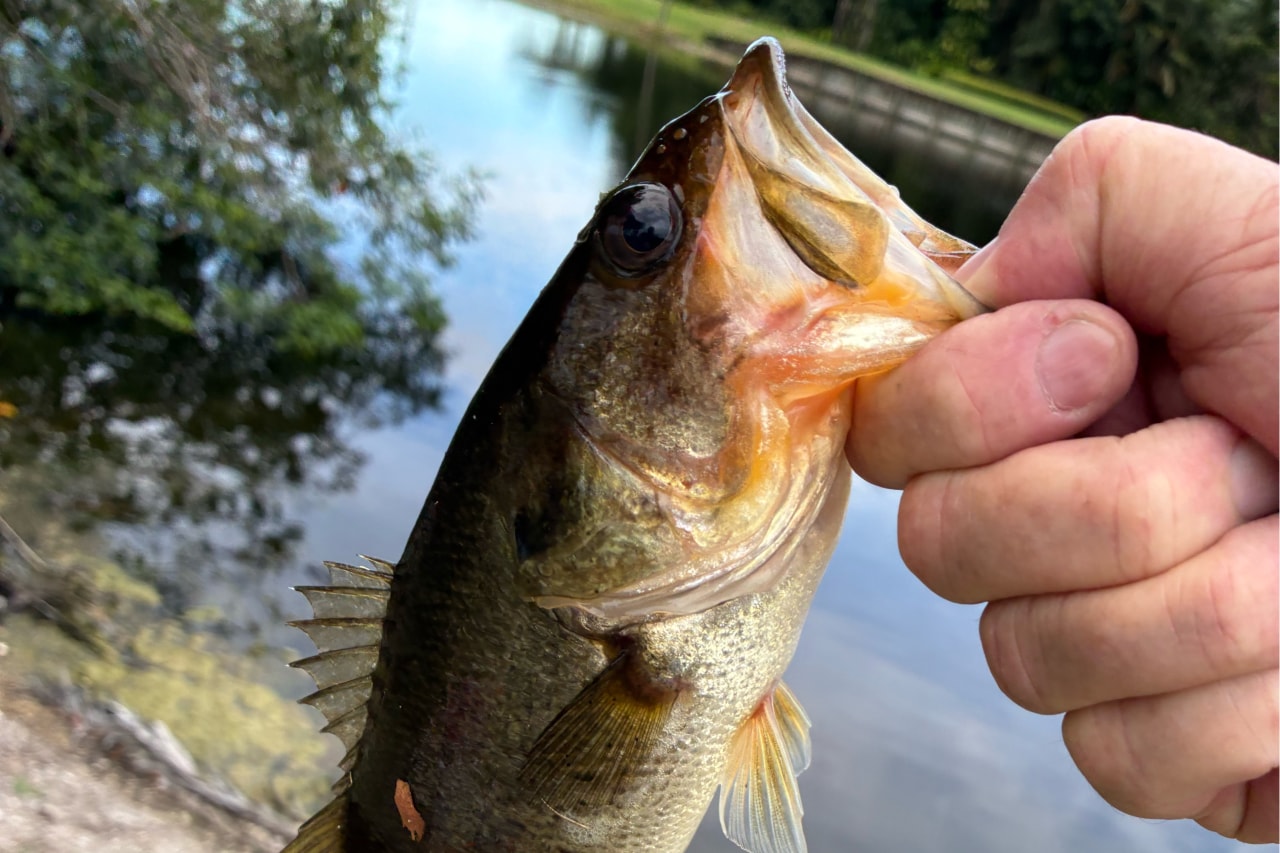
Meanwhile, I have caught more large-mouth bass in a few months than in the past 40 years combined. They often wriggle off the hook and flop back into the water before I can catch and release.
At many canals, signs warn about alligators. This place has an odd, accommodating kinship with these prehistoric monsters, a willingness to coexist rather than eliminate what would kill us.
Florida has about 1.3 million alligators, and it is a crime to kill them, although the state euthanizes some 7,000 gators a year to reduce the risk of attacks on humans. Despite this, 2023 saw 23 incidents. Since 2000, more than 20 people have died. Last month an almost 14-foot-long gator killed a 31-year-old woman who was cooling off in 4-foot-deep water in the Econlockhatchee River.
Be careful out there. That old saying takes on new meaning in wild, wild Florida.
Mr. Kneale is author of “Oregoners: How One State Chased Away Businesses and People.”